




Take Your First Step
Request a
Free, No-Obligation
Consultation Today!
- We will provide:
- An Accurate, No-Obligation Quotation
- Details of Available SEAI Grants
- Details of Low-Cost Finance
- FREE Expert Consultation
.png&w=1920&q=100)
Home Energy Assessment
Why Two Homes Can Get Very Different Results from the Same Assessment
Two homes can look almost identical yet receive very different Home Energy Assessment results. This blog explains why construction details, insulation levels, heating systems and how a home is lived in all affect outcomes — and why your assessment is designed to reflect your home, not your neighbour’s.
Published on 02 February 2026 : Updated 30 January • 5 minute read
Why similar homes don’t perform the same
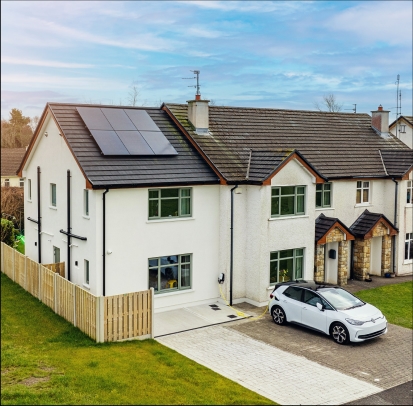
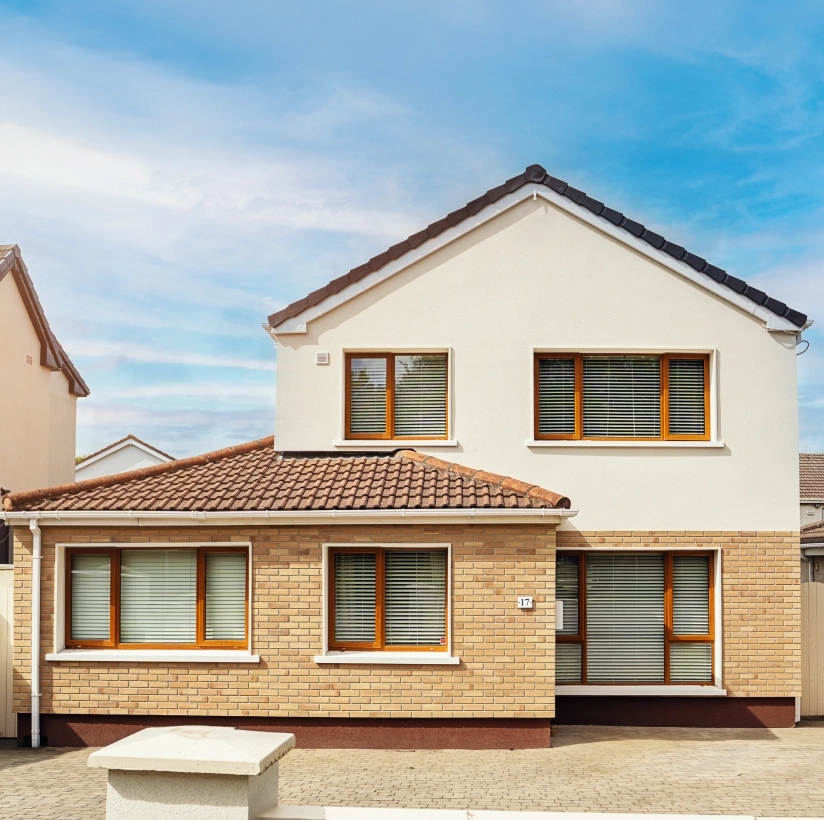
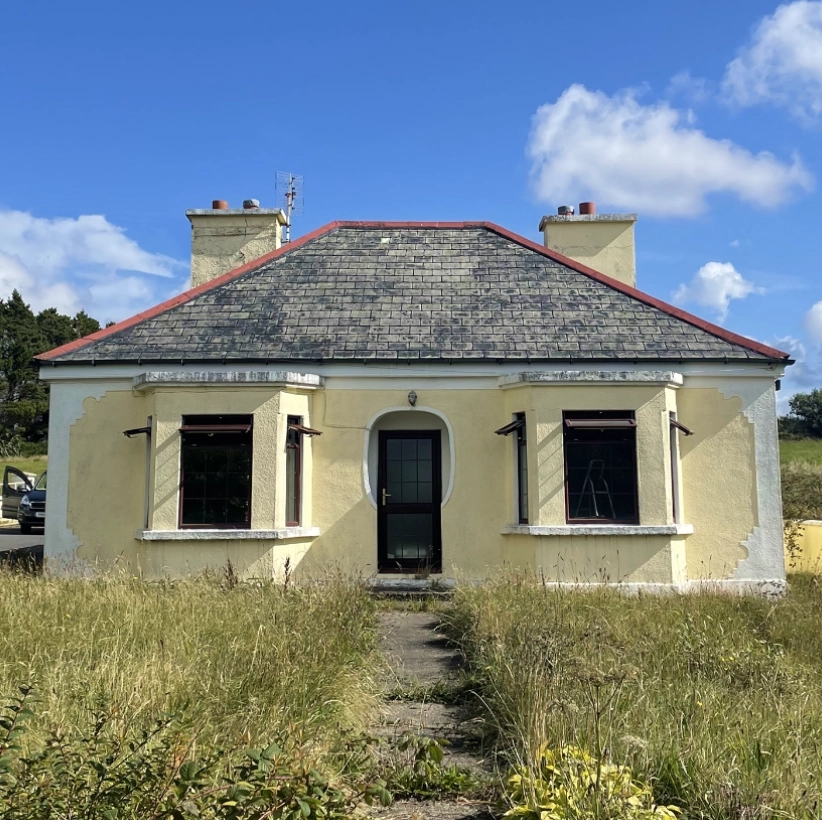
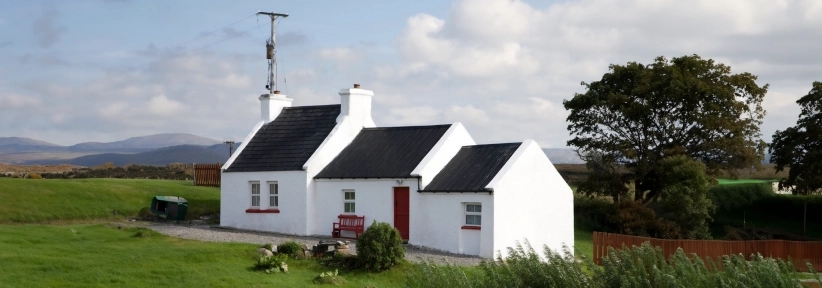
It’s common to assume that homes on the same street will perform similarly. In reality, energy performance depends on many hidden details. A Home Energy Assessment looks beyond appearances to understand how heat moves through your specific home.
Even small differences can add up to very different results.
Construction type and build details
Homes may look alike but be built years apart or to different standards. Wall construction, roof structure, floor type and materials all affect heat loss. Changes made over time — such as extensions or renovations — also influence performance.
These construction details form the baseline for your assessment.
Insulation levels and quality
Insulation varies more than most people expect. One home may have upgraded attic insulation, while another has thin, uneven or compressed coverage. Wall insulation can also differ greatly depending on the age and structure of the property.
The assessment identifies what insulation is present, how effective it is, and where improvements would have the biggest impact.
.png&w=3840&q=75)
Draughts, ventilation and airtightness
Uncontrolled air leakage around doors, windows, floors and attic hatches can significantly reduce comfort. Ventilation also plays a key role — too little can affect air quality, while too much can increase heat loss.
These factors are specific to each home and often explain why results differ.
Heating systems and controls
Two homes with similar insulation can perform very differently depending on their heating systems. Older boilers, limited controls or poor zoning reduce efficiency compared to modern systems with proper temperature control.
The assessment considers how heat is generated, controlled and distributed throughout the home.
Layout, orientation and exposure
The shape and position of a home matters. End-of-terrace and detached homes lose more heat through external walls. North-facing elevations, exposed sites and corner rooms are also more prone to heat loss.
This is why floor area alone does not determine results.


How the home is lived in
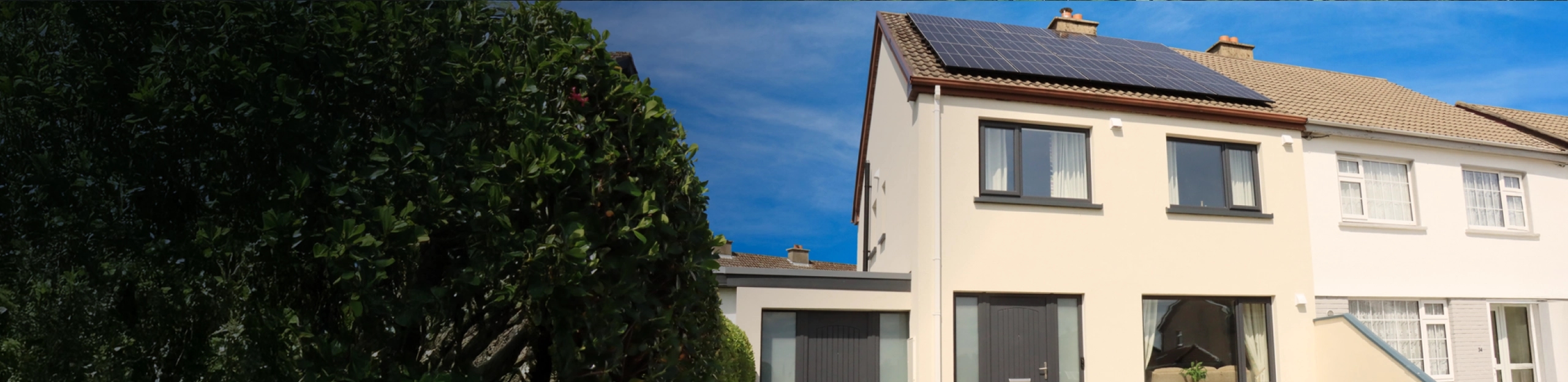
A Home Energy Assessment reflects real-life use. Heating patterns, hot water demand and ventilation habits all help build an accurate picture of performance.
The goal is not comparison or judgement — it’s understanding how your home works day to day.
What the assessment is designed to do
A Home Energy Assessment is not about matching another home’s result. It is about giving you clear, tailored guidance based on your home’s condition today.
This is why two similar homes can receive:
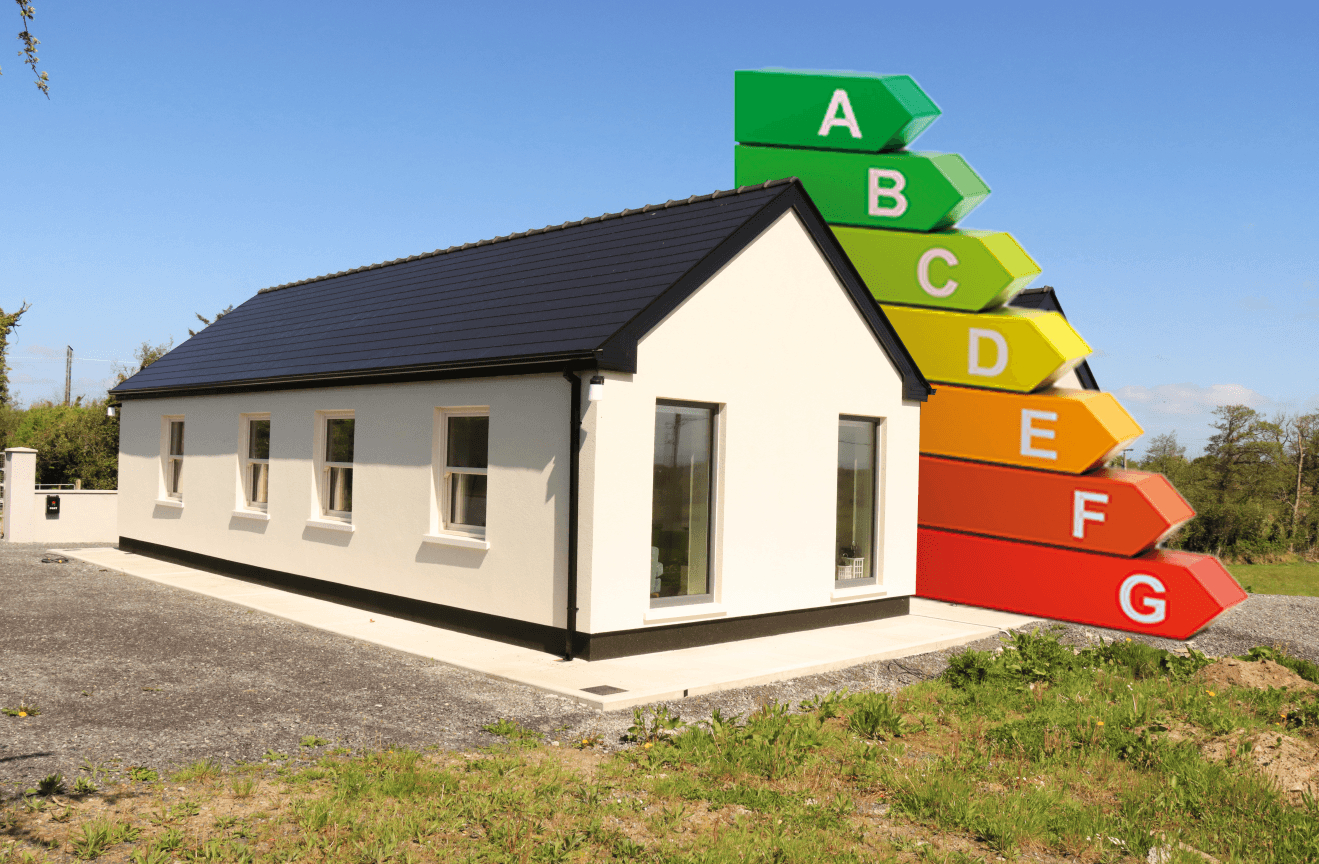
- Different BER results
- Different upgrade priorities
- Different improvement pathways
All of this helps remove guesswork.
What happens next
After your assessment, you receive a clear report explaining:
- How your home is performing
- Where energy is being lost
- Which upgrades make sense now or later
There is no obligation to proceed. The assessment gives you clarity first, so you can make informed decisions when the time is right.
Understanding why results differ helps set realistic expectations — and ensures any future upgrades are based on what your home actually needs

Enjoy Year-Round Comfort with a Heat Pump
Is my home is Heatpump ready?Tags
- Deep Retrofit Services
- Deep Retrofit Project
- Retrofit One Stop Shop
- Home Energy Assessment
- Home Energy Assessment Calculator
Author

Mary Hilda Hurley, Retrofit Expert
Published on 02 February 2026: Updated 30 January • 5 minute read
Share with

Our Featured Blogs
.png&w=1920&q=100)
Home Energy Assessment
Why do I need a Home Energy Assessment?
Mary Hilda Hurley • 17 February, 2026
.jpg&w=1920&q=100)
Heat Pump
Why You Should Consider a Heat Pump?
Mary Hilda Hurley • 09 February, 2026
.png&w=1920&q=100)
Heat Pump
How Much Does a Heat Pump Cost in Ireland After Grants?
Mary Hilda Hurley • 06 February, 2026

External Wall Insulation
Is External Wall Insulation Worth It in Ireland?
Mary Hilda Hurley • 06 February, 2026
.png&w=1920&q=100)
External Wall Insulation
External Wall Insulation Grants for Detached and Semi-Detached Homes
Mary Hilda Hurley • 06 February, 2026
.png&w=1920&q=100)
External Wall Insulation
Do You Need a Home Energy Assessment for External Wall Insulation?
Mary Hilda Hurley • 06 February, 2026

Home Energy Assessment
Cut Your Energy Bills: How a Home Energy Assessment Saves You Money
Mary Hilda Hurley • 06 February, 2026

Home Energy Assessment
What Is a Home Energy Assessment — and Why Does It Matter for Your Home?
Mary Hilda Hurley • 06 February, 2026

Home Energy Assessment
How SEAI Grant Eligibility Works After Your Home Energy Assessment
Mary Hilda Hurley • 06 February, 2026

Home Energy Assessment
How much does a Home Energy Assessment cost in your area?
Mary Hilda Hurley • 06 February, 2026
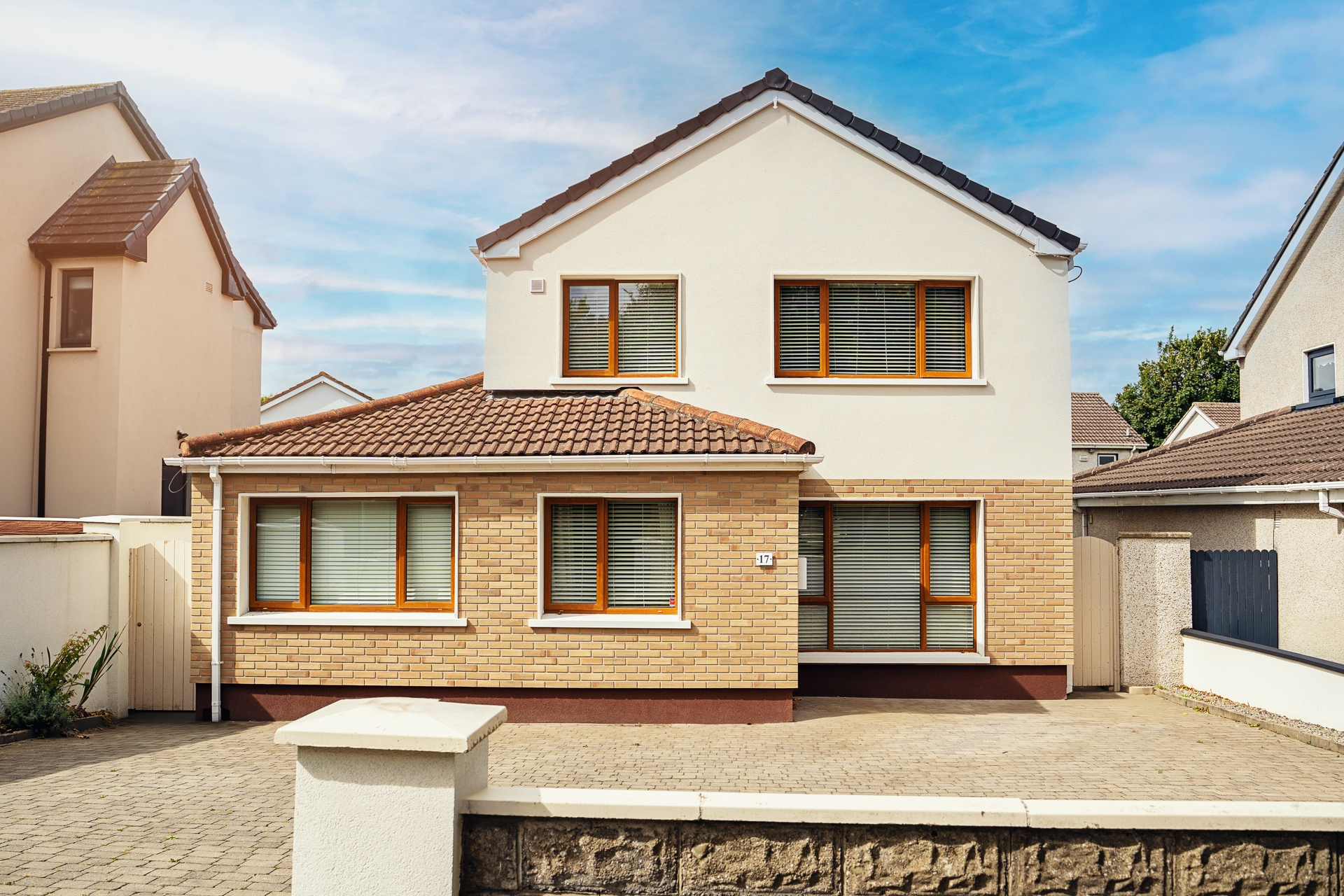
External Wall Insulation
Can You Get €8,000 for External Wall Insulation?
Mary Hilda Hurley • 06 February, 2026
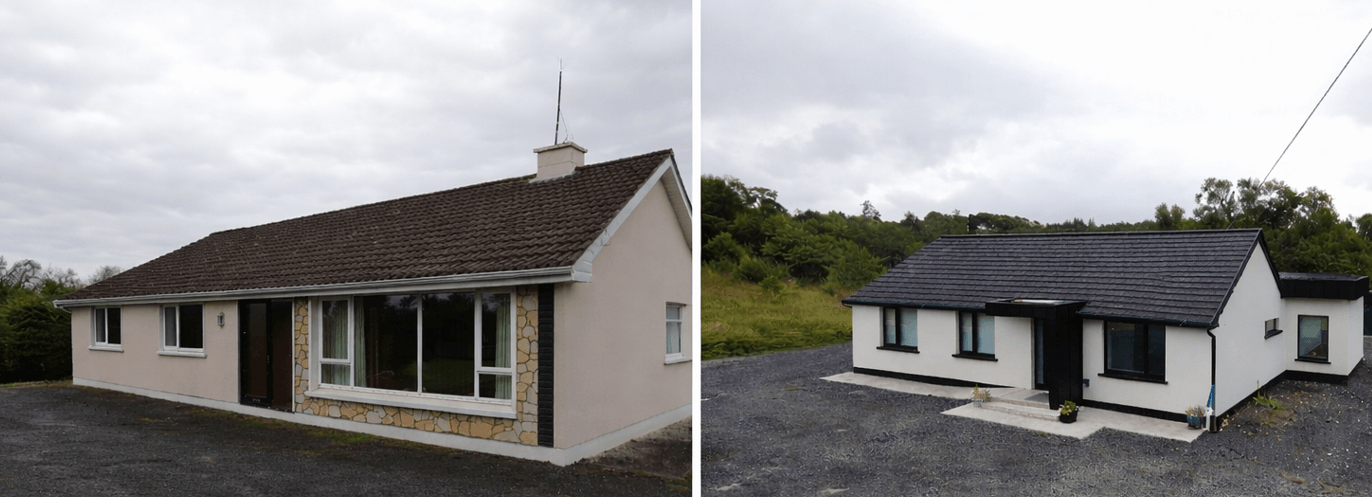
Home Energy Assessment
Before-and-After: How Home Energy Upgrades Transformed These Irish Homes
Mary Hilda Hurley • 03 February, 2026
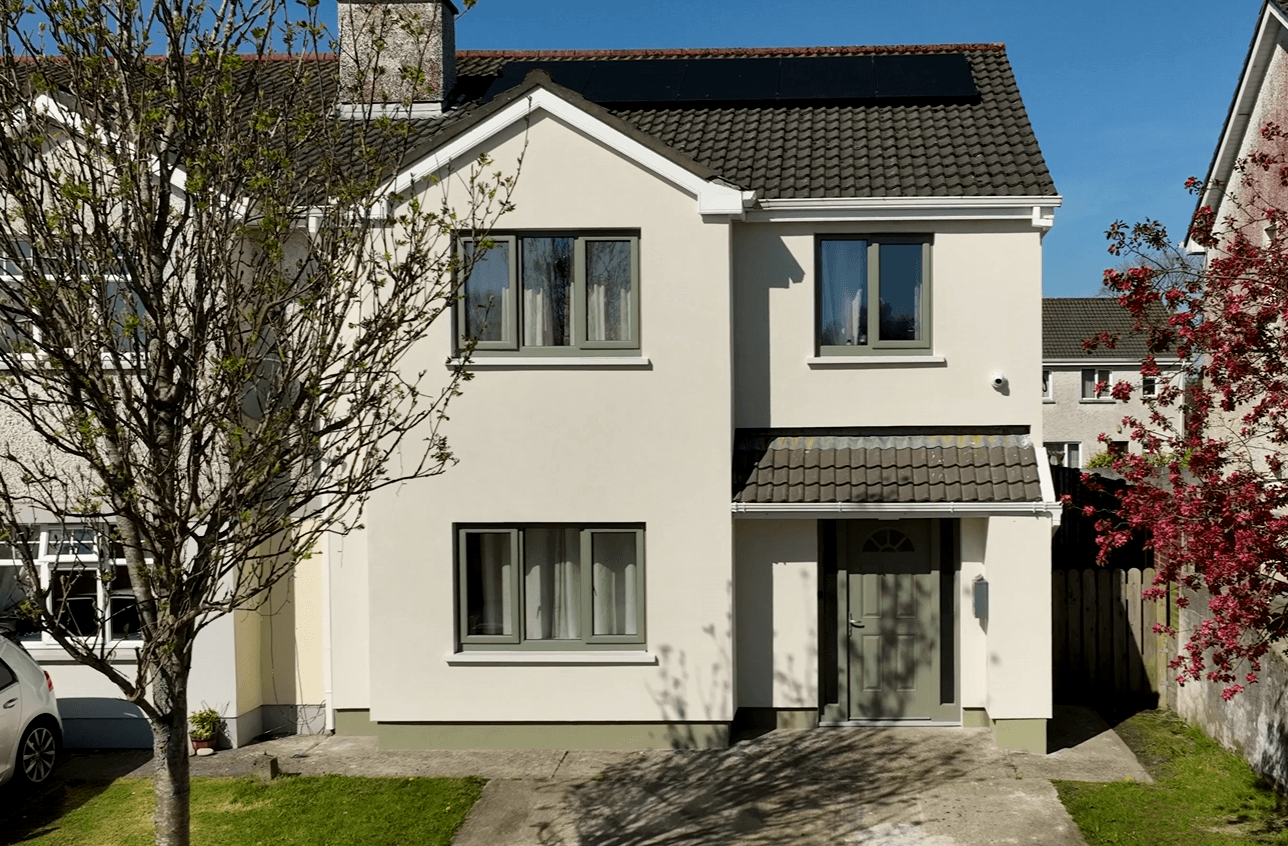
Home Energy Assessment
Is a Home Energy Assessment Worth It in 2026?
Mary Hilda Hurley • 03 February, 2026
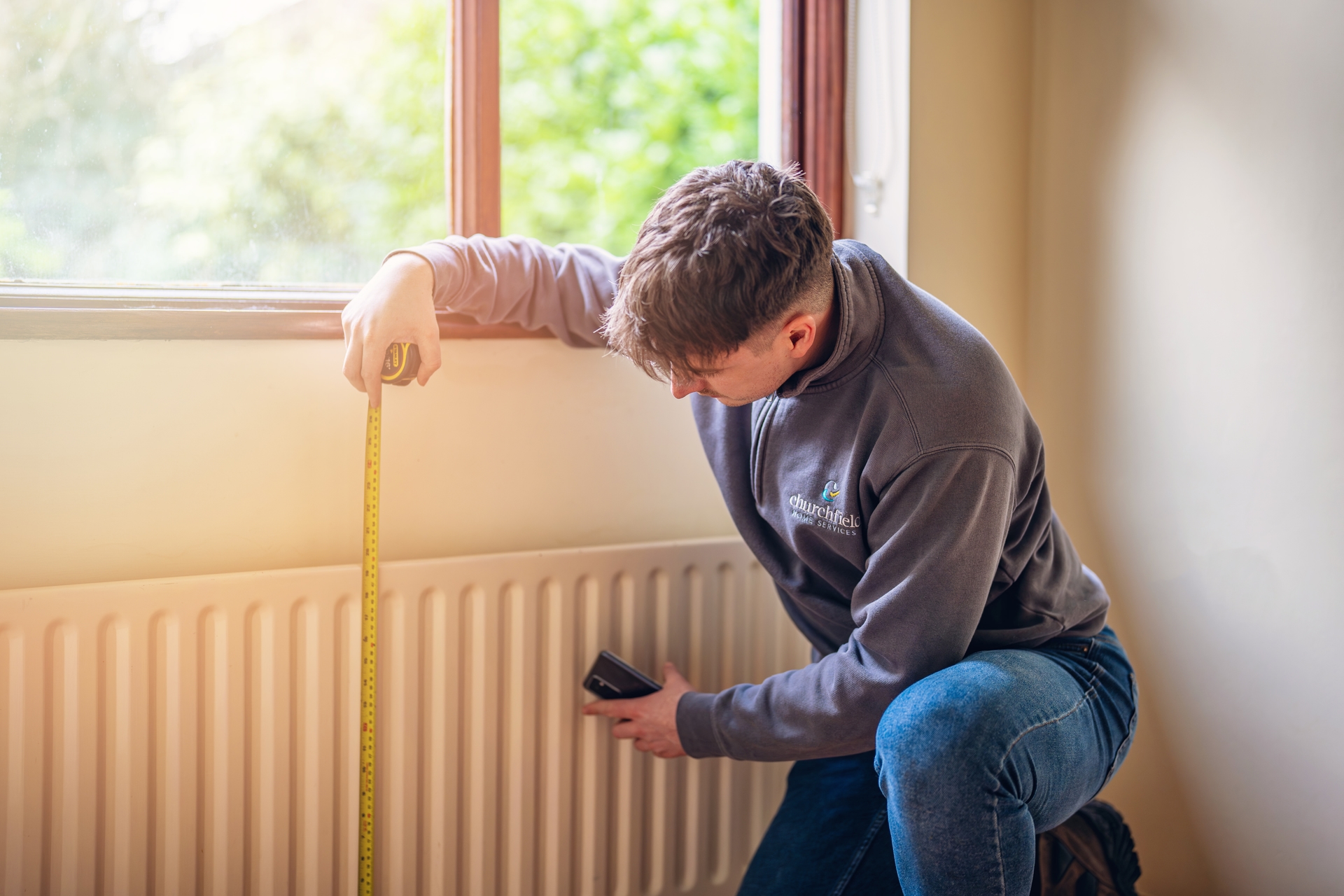
Home Energy Assessment
Can You Use a Home Energy Assessment for Future Grant Applications?
Mary Hilda Hurley • 02 February, 2026
.png&w=1920&q=100)
Home Energy Assessment
Energy Efficiency in Older Irish Homes: How a Home Energy Assessment Can Help
Mary Hilda Hurley • 02 February, 2026

Home Energy Assessment
SEAI One Stop Shop vs. Individual Grants: Which Is Right for Your Home Upgrade?
Mary Hilda Hurley • 02 February, 2026
.png&w=1920&q=100)
Home Energy Assessment
5 Common Mistakes to Avoid in Your Home Energy Upgrade Journey
Mary Hilda Hurley • 02 February, 2026
.png&w=1920&q=100)
Home Energy Assessment
Maximizing Your SEAI Grants
Mary Hilda Hurley • 02 February, 2026

Home Energy Assessment
Why Every Irish Homeowner Should Consider a Home Energy Assessment
Mary Hilda Hurley • 02 February, 2026
Home Energy Assessment
Why is it important to include a BER Assessment in your Home Energy Assessment?
Mary Hilda Hurley • 02 February, 2026
.png&w=1920&q=100)
Home Energy Assessment
Renovating Your Home? When to Book a Home Energy Assessment
Mary Hilda Hurley • 02 February, 2026

Home Energy Assessment
Common SEAI Grant Mistakes a Home Energy Assessment Helps You Avoid
Mary Hilda Hurley • 02 February, 2026
.png&w=1920&q=100)
Home Energy Assessment
DIY Home Energy Audit vs. Professional Assessment: Why Expertise Matters
Mary Hilda Hurley • 30 January, 2026

Home Energy Assessment
5 Myths About Home Energy Assessments, clarified
Mary Hilda Hurley • 30 January, 2026

Home Energy Assessment
Top 5 Benefits of a Home Energy Assessment for Irish Homeowners
Mary Hilda Hurley • 27 January, 2026

Home Energy Assessment
Preparing for a Home Energy Assessment: A Homeowner’s Checklist
Mary Hilda Hurley • 27 January, 2026
.png&w=1920&q=100)
Home Energy Assessment
BER Ratings and Home Value: Why Energy Efficiency Matters in Ireland
Mary Hilda Hurley • 27 January, 2026

Home Energy Assessment
Top 5 Energy-Saving Upgrades After a Home Energy Assessment
Mary Hilda Hurley • 27 January, 2026
.png&w=1920&q=100)
Home Energy Assessment
Home Energy Assessment Recommendations: The Most Impactful Improvements to Make
Mary Hilda Hurley • 26 January, 2026

Start saving on your energy bills today!
Sign up to our weekly newsletter
- Learn how to access grants and funding
- Tips and offers to reduce your energy bill


