





Take Your First Step
Request a
Free, No-Obligation
Consultation Today!
- We will provide:
- An Accurate, No-Obligation Quotation
- Details of Available SEAI Grants
- Details of Low-Cost Finance
- FREE Expert Consultation
.png&w=1920&q=100)
Home Energy Assessment
DIY Home Energy Audit vs. Professional Assessment: Why Expertise Matters
Many homeowners try to identify energy issues themselves before upgrading, but a DIY approach can only go so far. This guide compares DIY home energy audits with a professional Home Energy Assessment and explains why expert analysis leads to clearer decisions, better planning and more reliable long-term results.
Published on 30 January 2026 : Updated 28 January • 4 minute read
The appeal of a DIY home energy audit
It is natural to start by looking for obvious problems yourself. Many homeowners notice draughts around doors, cold rooms upstairs, or rising energy bills and try to connect the dots.
Online checklists and advice can help highlight common issues, and simple actions like sealing draughts or adjusting heating controls can make a small difference. A DIY audit often feels like a sensible first step because it is quick, low-cost and easy to access.
However, what a DIY approach can show is limited to what is visible and easily understood.
Where DIY audits fall short
Without specialist tools or training, it is difficult to understand how a home performs as a whole. Heat loss through walls, roofs and floors is not always obvious, and issues with ventilation, system sizing or heat distribution can be missed entirely.
DIY audits also struggle to explain why problems occur. For example, a cold room might be caused by poor insulation, air leakage, ventilation imbalance or heating design — or a combination of all four.
Without clear evidence, homeowners may end up making changes that feel logical but do not deliver meaningful improvements.
What a professional Home Energy Assessment provides
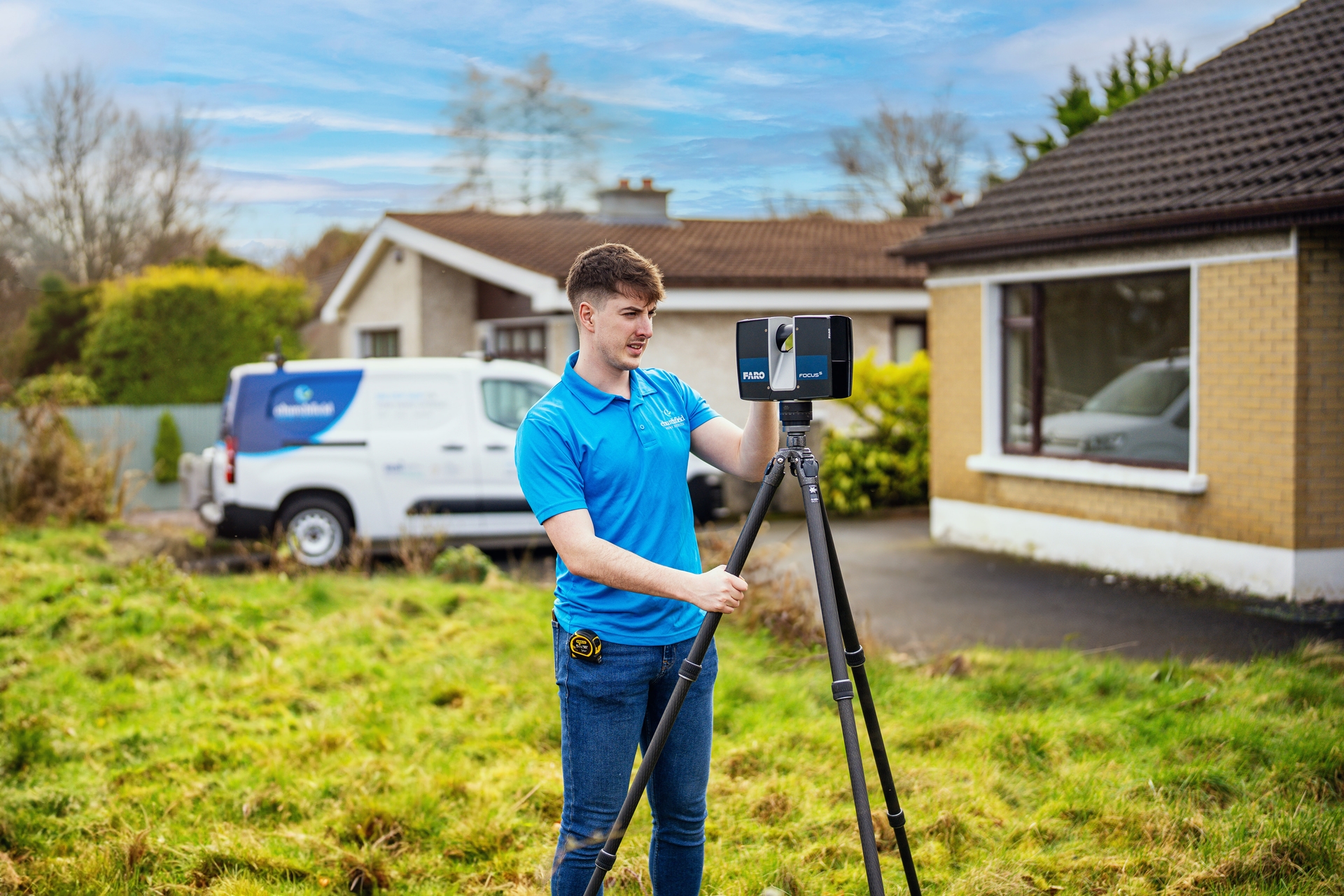
A professional Home Energy Assessment takes a whole-home approach. A qualified assessor examines insulation levels, heating systems, ventilation, controls and construction details, and brings this information together into a complete performance picture.
This assessment includes an official BER and a detailed analysis of how the home uses and loses energy. Instead of assumptions, recommendations are based on measured data, professional judgement and experience with Irish housing types.
The result is clarity — not just about what could be improved, but what should be prioritised.
Why expertise changes the outcome
Expertise matters because energy performance is interconnected. Improving one area without understanding the others can limit results or even create new issues.
A professional assessment helps ensure upgrades are carried out in the right order, with each improvement supporting the next. This avoids wasted spend, repeat work or systems that underperform once installed.
For homeowners, this means upgrades that are more likely to deliver real comfort improvements and long-term energy savings.
Planning upgrades with confidence
Another key difference between DIY and professional assessment is planning. A Home Energy Assessment provides a clear, tailored upgrade pathway that reflects the specific needs of your home.
This allows you to plan improvements in stages if needed, manage budgets more effectively, and avoid decisions based on guesswork or pressure. You remain in control, but with expert guidance to support each step.


Understanding grants and compliance
A professional Home Energy Assessment also helps clarify which SEAI grants may apply to your home. Grant eligibility depends on property type and recommended measures, and this is not always clear from online research alone.
Having this explained correctly at assessment stage helps avoid confusion later and ensures decisions are made with accurate information from the outset.
What happens next?
If you are weighing up whether to rely on a DIY audit or seek professional guidance, a Home Energy Assessment is the clearest way to understand how your home truly performs.
You can book your assessment online or by phone. A qualified assessor will visit your home, complete the survey and BER, and prepare a clear, easy-to-understand report. Once you receive it, you can review the findings in your own time and decide what — if anything — you would like to do next. There is no obligation to proceed beyond the assessment.
Churchfield Home Services carries out Home Energy Assessments across Dublin, Mayo, Galway, Sligo, Roscommon, Kildare, Meath and Wicklow. As a Registered SEAI One Stop Shop, we provide clear guidance from assessment through to upgrade, supporting you at every stage if you choose to move forward.
To get started, visit our website to book your Home Energy Assessment online, or call 0818 011 022 to speak with our team.

Enjoy Year-Round Comfort with a Heat Pump
Is my home is Heatpump ready?Tags
- Deep Retrofit Services
- Deep Retrofit Project
- Retrofit One Stop Shop
- Home Energy Assessment
- Home Energy Assessment Calculator
Author

Mary Hilda Hurley, Retrofit Expert
Published on 30 January 2026: Updated 28 January • 4 minute read
Share with

Our Featured Blogs
.png&w=1920&q=100)
Home Energy Assessment
Why do I need a Home Energy Assessment?
Mary Hilda Hurley • 17 February, 2026
.jpg&w=1920&q=100)
Heat Pump
Why You Should Consider a Heat Pump?
Mary Hilda Hurley • 09 February, 2026
.png&w=1920&q=100)
Heat Pump
How Much Does a Heat Pump Cost in Ireland After Grants?
Mary Hilda Hurley • 06 February, 2026

External Wall Insulation
Is External Wall Insulation Worth It in Ireland?
Mary Hilda Hurley • 06 February, 2026
.png&w=1920&q=100)
External Wall Insulation
External Wall Insulation Grants for Detached and Semi-Detached Homes
Mary Hilda Hurley • 06 February, 2026
.png&w=1920&q=100)
External Wall Insulation
Do You Need a Home Energy Assessment for External Wall Insulation?
Mary Hilda Hurley • 06 February, 2026
Home Energy Assessment
Cut Your Energy Bills: How a Home Energy Assessment Saves You Money
Mary Hilda Hurley • 06 February, 2026

Home Energy Assessment
What Is a Home Energy Assessment — and Why Does It Matter for Your Home?
Mary Hilda Hurley • 06 February, 2026

Home Energy Assessment
How SEAI Grant Eligibility Works After Your Home Energy Assessment
Mary Hilda Hurley • 06 February, 2026

Home Energy Assessment
How much does a Home Energy Assessment cost in your area?
Mary Hilda Hurley • 06 February, 2026
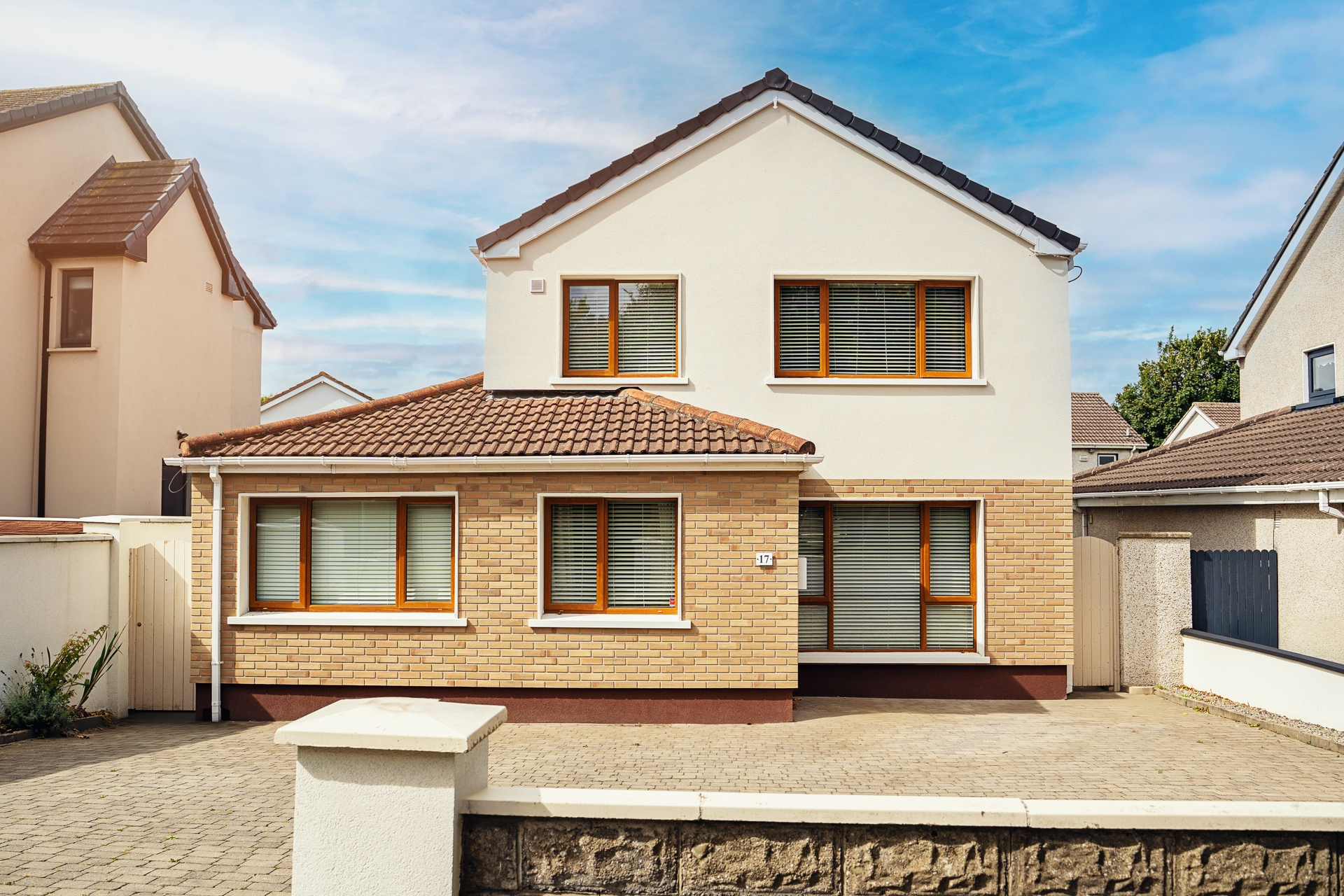
External Wall Insulation
Can You Get €8,000 for External Wall Insulation?
Mary Hilda Hurley • 06 February, 2026
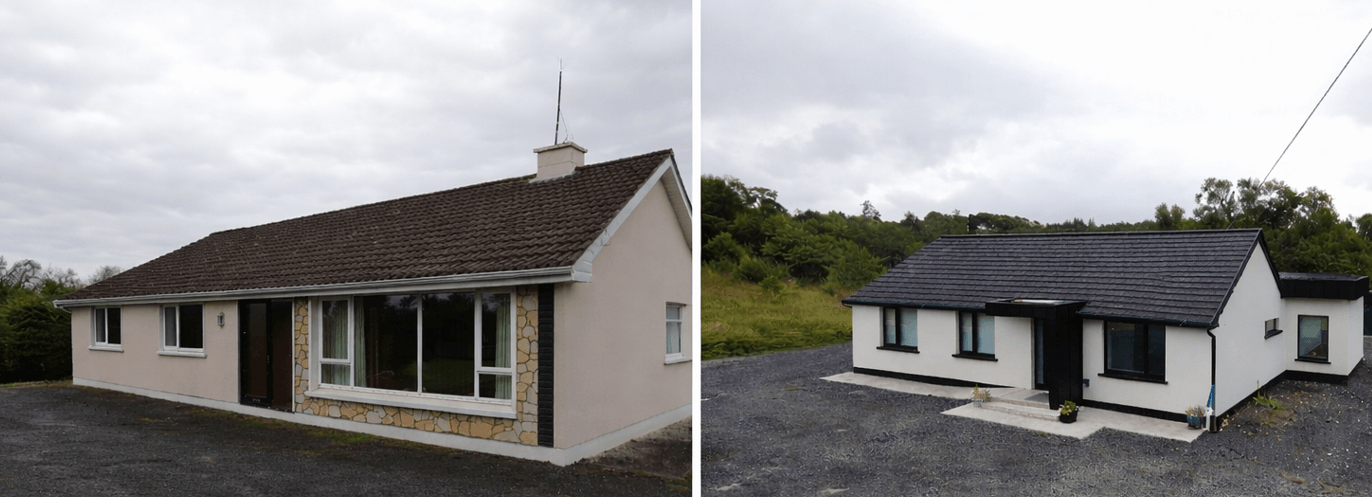
Home Energy Assessment
Before-and-After: How Home Energy Upgrades Transformed These Irish Homes
Mary Hilda Hurley • 03 February, 2026

Home Energy Assessment
Is a Home Energy Assessment Worth It in 2026?
Mary Hilda Hurley • 03 February, 2026
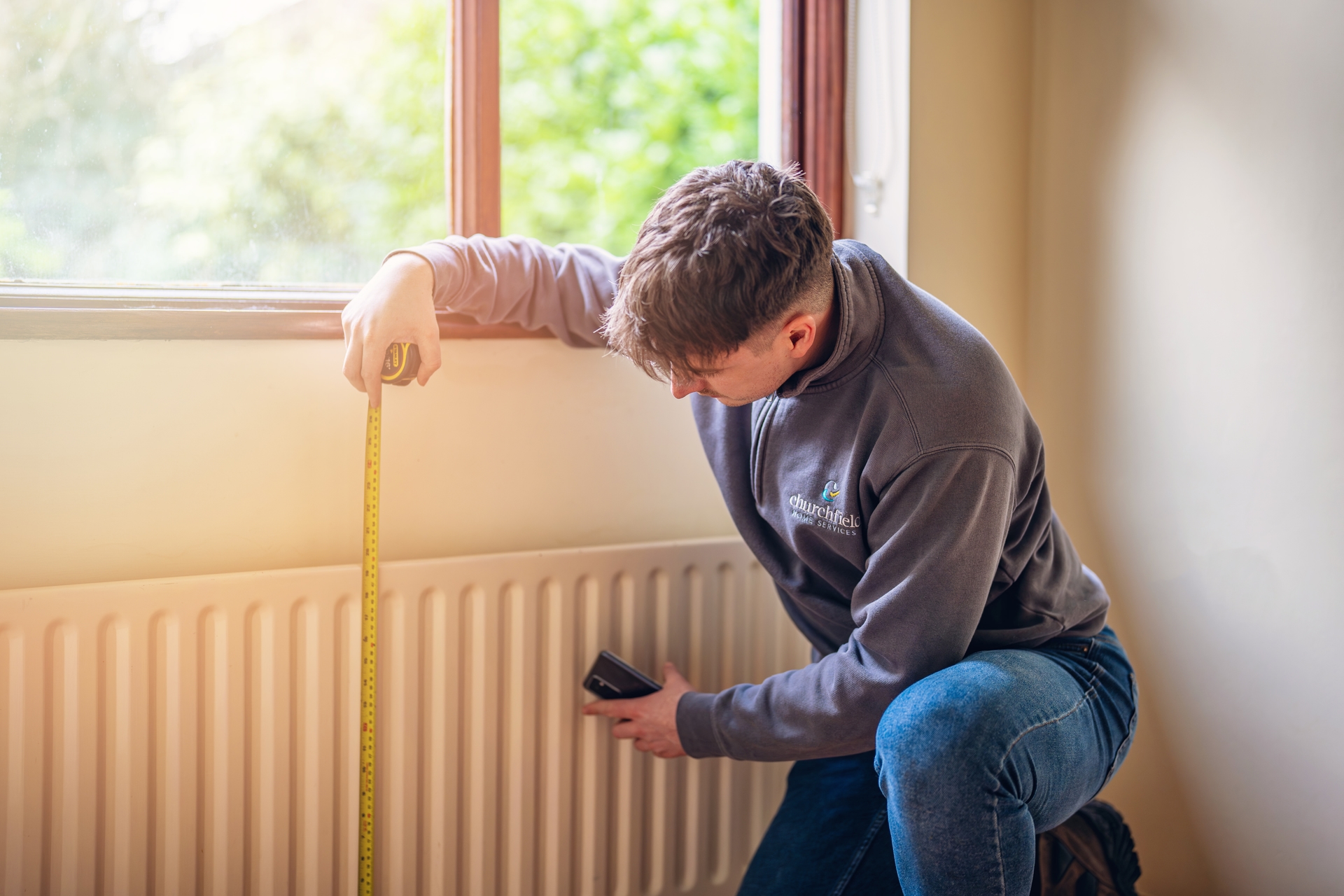
Home Energy Assessment
Can You Use a Home Energy Assessment for Future Grant Applications?
Mary Hilda Hurley • 02 February, 2026
.png&w=1920&q=100)
Home Energy Assessment
Why Two Homes Can Get Very Different Results from the Same Assessment
Mary Hilda Hurley • 02 February, 2026
.png&w=1920&q=100)
Home Energy Assessment
Energy Efficiency in Older Irish Homes: How a Home Energy Assessment Can Help
Mary Hilda Hurley • 02 February, 2026

Home Energy Assessment
SEAI One Stop Shop vs. Individual Grants: Which Is Right for Your Home Upgrade?
Mary Hilda Hurley • 02 February, 2026
.png&w=1920&q=100)
Home Energy Assessment
5 Common Mistakes to Avoid in Your Home Energy Upgrade Journey
Mary Hilda Hurley • 02 February, 2026
.png&w=1920&q=100)
Home Energy Assessment
Maximizing Your SEAI Grants
Mary Hilda Hurley • 02 February, 2026

Home Energy Assessment
Why Every Irish Homeowner Should Consider a Home Energy Assessment
Mary Hilda Hurley • 02 February, 2026
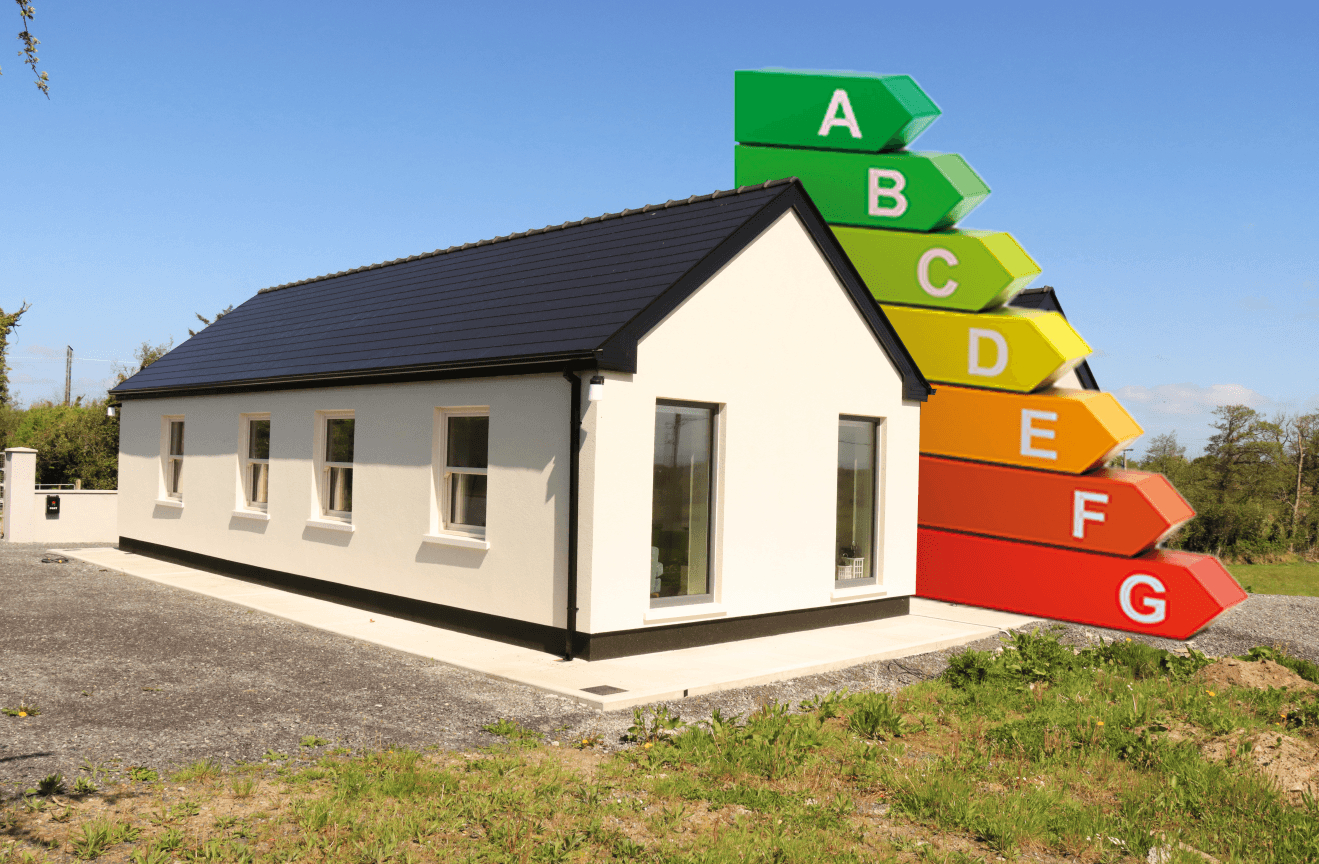
Home Energy Assessment
Why is it important to include a BER Assessment in your Home Energy Assessment?
Mary Hilda Hurley • 02 February, 2026
.png&w=1920&q=100)
Home Energy Assessment
Renovating Your Home? When to Book a Home Energy Assessment
Mary Hilda Hurley • 02 February, 2026
Home Energy Assessment
Common SEAI Grant Mistakes a Home Energy Assessment Helps You Avoid
Mary Hilda Hurley • 02 February, 2026
Home Energy Assessment
5 Myths About Home Energy Assessments, clarified
Mary Hilda Hurley • 30 January, 2026

Home Energy Assessment
Top 5 Benefits of a Home Energy Assessment for Irish Homeowners
Mary Hilda Hurley • 27 January, 2026

Home Energy Assessment
Preparing for a Home Energy Assessment: A Homeowner’s Checklist
Mary Hilda Hurley • 27 January, 2026
.png&w=1920&q=100)
Home Energy Assessment
BER Ratings and Home Value: Why Energy Efficiency Matters in Ireland
Mary Hilda Hurley • 27 January, 2026

Home Energy Assessment
Top 5 Energy-Saving Upgrades After a Home Energy Assessment
Mary Hilda Hurley • 27 January, 2026
.png&w=1920&q=100)
Home Energy Assessment
Home Energy Assessment Recommendations: The Most Impactful Improvements to Make
Mary Hilda Hurley • 26 January, 2026

Start saving on your energy bills today!
Sign up to our weekly newsletter
- Learn how to access grants and funding
- Tips and offers to reduce your energy bill


