







Take Your First Step
Request a
Free, No-Obligation
Consultation Today!
- We will provide:
- An Accurate, No-Obligation Quotation
- Details of Available SEAI Grants
- Details of Low-Cost Finance
- FREE Expert Consultation
.png&w=1920&q=100)
Home Energy Assessment
Home Energy Assessment Recommendations: The Most Impactful Improvements to Make
Improving your home’s energy performance can feel like a big step. You may know changes are needed, but not which improvements will actually deliver comfort, efficiency, and long-term value. A Home Energy Assessment provides clear, independent guidance by showing how your home performs today and which upgrades can have the greatest impact, before you commit to any work.
Published on 26 January 2026 : Updated 28 January • 4 minute read
Where most home improvement decisions really begin
Most people don’t start by looking for a specific upgrade. They start with a question.
Why does the house still feel cold? Why are energy bills increasing? Where should improvements begin without risking wasted spend?
This is where a Home Energy Assessment fits. It explains how your home uses energy today and turns that information into clear, practical guidance for what to improve and when.
At Churchfield Home Services, the assessment is designed to educate first. The focus is on understanding your home properly, so any decisions you make are informed, confident, and suited to the building — without pressure.
Why recommendations matter more than individual upgrades
Homes rarely have just one issue. Heat loss usually happens across several areas at once, through walls, roofs, floors, ventilation, and heating systems that may have been installed at different times.
Without a full assessment, it’s easy to improve one element while overlooking others. This can lead to frustration when upgrades are completed but comfort levels or energy bills don’t improve as expected.
A Home Energy Assessment looks at how all parts of the home work together. The recommendations that follow are prioritised and explained clearly, so you understand not just what could be improved, but why it matters and how each change supports the next.
Insulation: the foundation of most impactful improvements
In many homes, the assessment shows that heat is escaping faster than it should. When this happens, even efficient heating systems struggle to maintain comfort.
This is why insulation is often one of the first recommendations. Improving insulation helps your home retain heat for longer, creating more consistent temperatures and reducing the demand placed on heating systems.
The assessment determines which insulation approach suits your home’s construction, ensuring the solution is practical, effective, and appropriate — rather than a generic recommendation.
Heating improvements made in the right context
Heating upgrades are often a major consideration, but a Home Energy Assessment doesn’t assume that replacement is always the answer.
Instead, it looks at whether the home is ready for a more efficient system. Once insulation levels, heat demand, and layout are understood, heating recommendations can be made with confidence.
For some homes, this may point towards a heat pump. For others, it may highlight improvements to controls, radiators, or phased upgrades over time. The goal is always to improve comfort while keeping running costs under control.
Ventilation: supporting comfort and air quality
As homes become warmer and more airtight, ventilation becomes increasingly important.
During an assessment, signs such as condensation, stale air, or moisture build-up are often identified. These issues are addressed through ventilation recommendations that improve airflow without compromising warmth.
This helps protect indoor air quality, reduces the risk of damp and mould, and supports long-term comfort throughout the home.
Secondary improvements that complete the plan
Once the main performance issues are understood, other improvements may be considered. These can include windows, doors, lighting upgrades, or solar options.
The assessment helps place these improvements in the right order, ensuring they complement earlier work rather than undermining it. This allows upgrades to be planned gradually, in a way that suits both the home and the household.



How priorities are set clearly
One of the most valuable outcomes of a Home Energy Assessment is understanding what to focus on first.
Rather than leaving you with a long list of possibilities, the recommendations show which improvements deliver the greatest impact and how future upgrades can build on that foundation. This provides clarity and reassurance, even if you choose to move forward in stages.
What happens after your Home Energy Assessment
After your assessment is complete, you receive a detailed report and time to review it properly.
At Churchfield Home Services, the next step is a clear, supportive conversation. Recommendations are explained in plain English, grant pathways are outlined accurately, and your questions are answered without pressure. There is no obligation to proceed — the assessment is there to help you make informed decisions.
A clearer starting point for your home
If you are considering improving comfort, reducing energy bills, or planning future upgrades, the most impactful first step is understanding your home properly.
A Home Energy Assessment provides that clarity, along with recommendations that are practical, prioritised, and tailored to your home.
Take your first step today.

Enjoy Year-Round Comfort with a Heat Pump
Is my home is Heatpump ready?Tags
- Deep Retrofit Services
- Deep Retrofit Project
- Retrofit One Stop Shop
- Home Energy Assessment
- Home Energy Assessment Calculator
Author

Mary Hilda Hurley, Retrofit Expert
Published on 26 January 2026: Updated 28 January • 4 minute read
Share with

Our Featured Blogs
.png&w=1920&q=100)
Home Energy Assessment
Why do I need a Home Energy Assessment?
Mary Hilda Hurley • 17 February, 2026
.jpg&w=1920&q=100)
Heat Pump
Why You Should Consider a Heat Pump?
Mary Hilda Hurley • 09 February, 2026
.png&w=1920&q=100)
Heat Pump
How Much Does a Heat Pump Cost in Ireland After Grants?
Mary Hilda Hurley • 06 February, 2026

External Wall Insulation
Is External Wall Insulation Worth It in Ireland?
Mary Hilda Hurley • 06 February, 2026
.png&w=1920&q=100)
External Wall Insulation
External Wall Insulation Grants for Detached and Semi-Detached Homes
Mary Hilda Hurley • 06 February, 2026
.png&w=1920&q=100)
External Wall Insulation
Do You Need a Home Energy Assessment for External Wall Insulation?
Mary Hilda Hurley • 06 February, 2026

Home Energy Assessment
Cut Your Energy Bills: How a Home Energy Assessment Saves You Money
Mary Hilda Hurley • 06 February, 2026

Home Energy Assessment
What Is a Home Energy Assessment — and Why Does It Matter for Your Home?
Mary Hilda Hurley • 06 February, 2026

Home Energy Assessment
How SEAI Grant Eligibility Works After Your Home Energy Assessment
Mary Hilda Hurley • 06 February, 2026

Home Energy Assessment
How much does a Home Energy Assessment cost in your area?
Mary Hilda Hurley • 06 February, 2026

External Wall Insulation
Can You Get €8,000 for External Wall Insulation?
Mary Hilda Hurley • 06 February, 2026

Home Energy Assessment
Before-and-After: How Home Energy Upgrades Transformed These Irish Homes
Mary Hilda Hurley • 03 February, 2026

Home Energy Assessment
Is a Home Energy Assessment Worth It in 2026?
Mary Hilda Hurley • 03 February, 2026
Home Energy Assessment
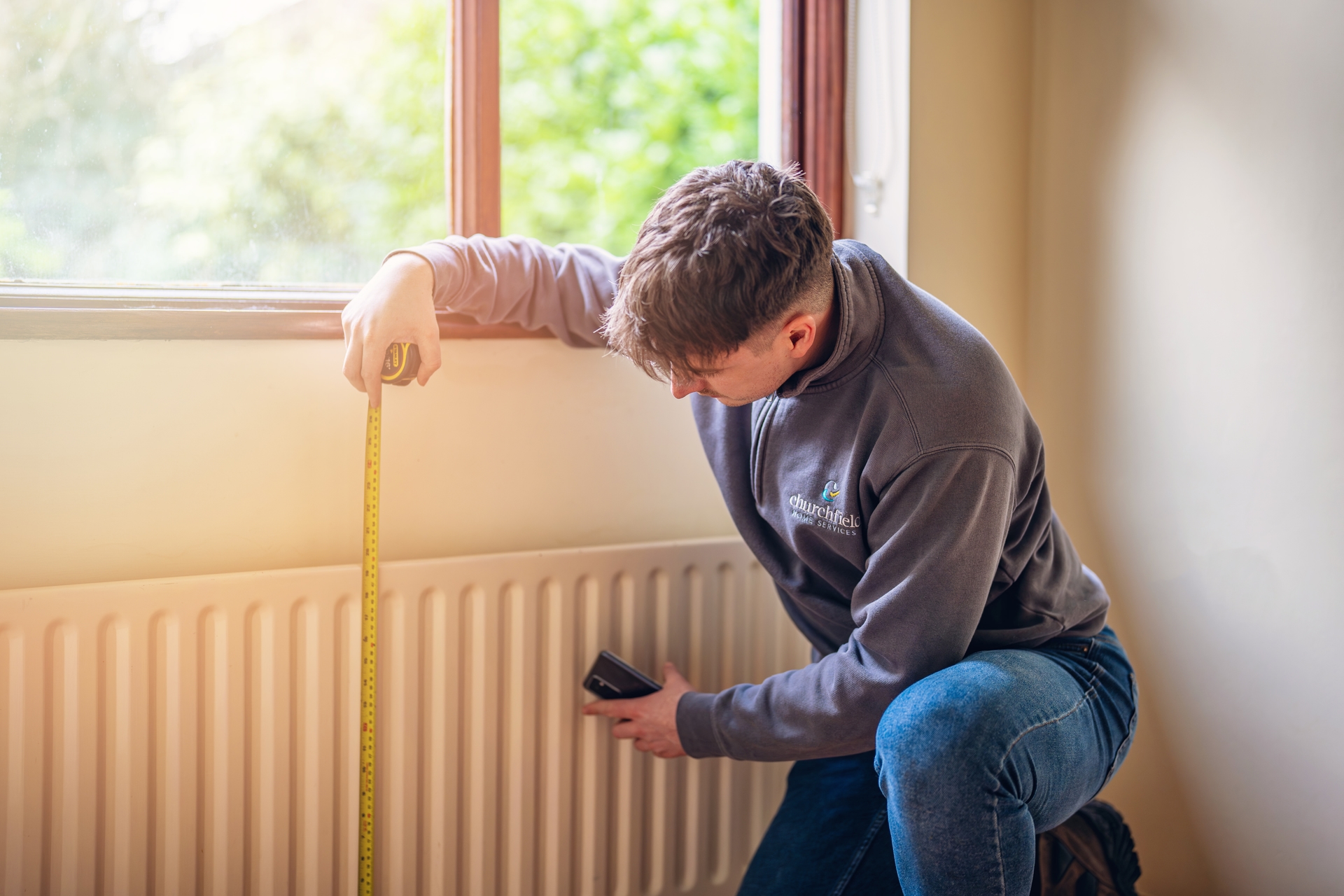
Can You Use a Home Energy Assessment for Future Grant Applications?
Mary Hilda Hurley • 02 February, 2026
.png&w=1920&q=100)
Home Energy Assessment
Why Two Homes Can Get Very Different Results from the Same Assessment
Mary Hilda Hurley • 02 February, 2026
.png&w=1920&q=100)
Home Energy Assessment
Energy Efficiency in Older Irish Homes: How a Home Energy Assessment Can Help
Mary Hilda Hurley • 02 February, 2026

Home Energy Assessment
SEAI One Stop Shop vs. Individual Grants: Which Is Right for Your Home Upgrade?
Mary Hilda Hurley • 02 February, 2026
.png&w=1920&q=100)
Home Energy Assessment
5 Common Mistakes to Avoid in Your Home Energy Upgrade Journey
Mary Hilda Hurley • 02 February, 2026
.png&w=1920&q=100)
Home Energy Assessment
Maximizing Your SEAI Grants
Mary Hilda Hurley • 02 February, 2026

Home Energy Assessment
Why Every Irish Homeowner Should Consider a Home Energy Assessment
Mary Hilda Hurley • 02 February, 2026
Home Energy Assessment
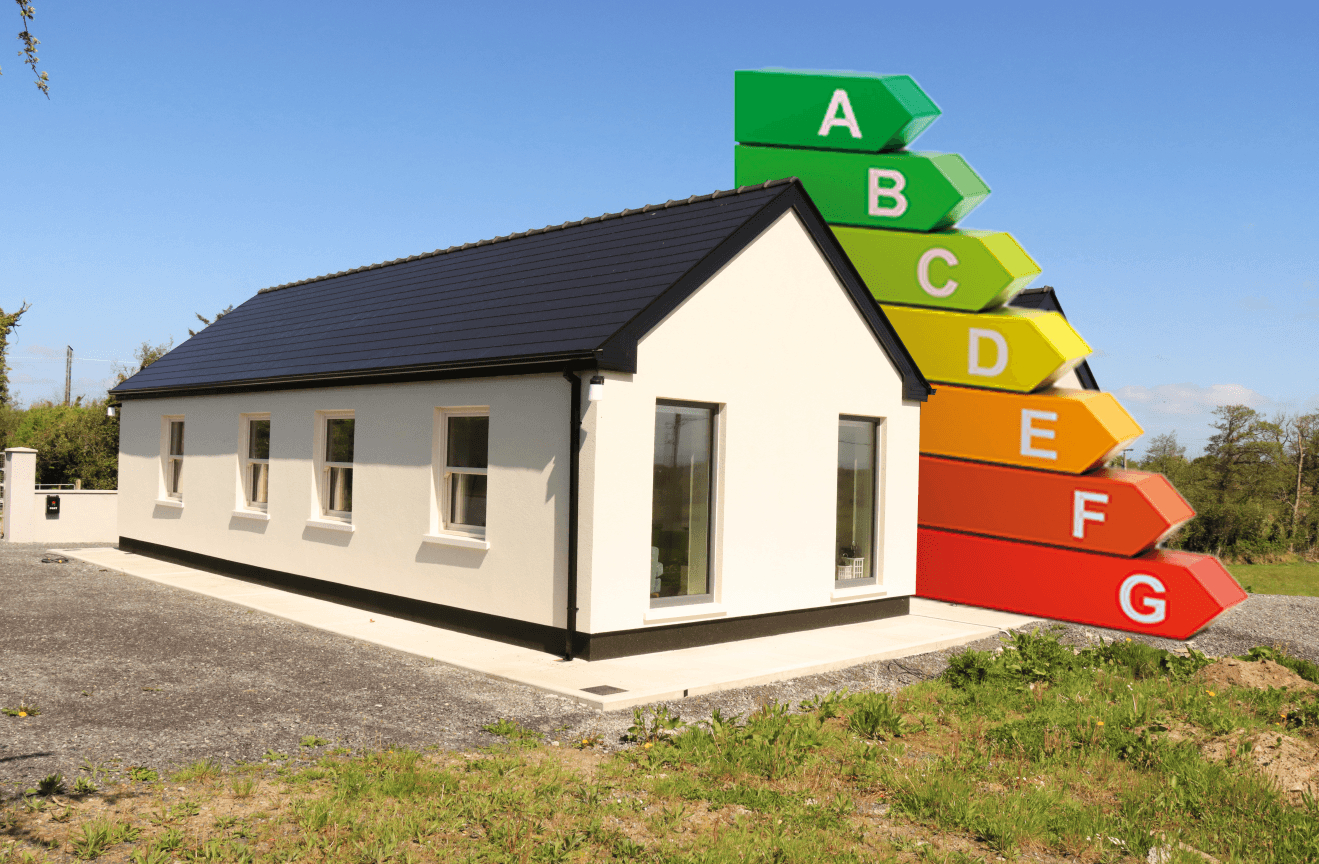
Why is it important to include a BER Assessment in your Home Energy Assessment?
Mary Hilda Hurley • 02 February, 2026
.png&w=1920&q=100)
Home Energy Assessment
Renovating Your Home? When to Book a Home Energy Assessment
Mary Hilda Hurley • 02 February, 2026

Home Energy Assessment
Common SEAI Grant Mistakes a Home Energy Assessment Helps You Avoid
Mary Hilda Hurley • 02 February, 2026
.png&w=1920&q=100)
Home Energy Assessment
DIY Home Energy Audit vs. Professional Assessment: Why Expertise Matters
Mary Hilda Hurley • 30 January, 2026

Home Energy Assessment
5 Myths About Home Energy Assessments, clarified
Mary Hilda Hurley • 30 January, 2026

Home Energy Assessment
Top 5 Benefits of a Home Energy Assessment for Irish Homeowners
Mary Hilda Hurley • 27 January, 2026

Home Energy Assessment
Preparing for a Home Energy Assessment: A Homeowner’s Checklist
Mary Hilda Hurley • 27 January, 2026
.png&w=1920&q=100)
Home Energy Assessment
BER Ratings and Home Value: Why Energy Efficiency Matters in Ireland
Mary Hilda Hurley • 27 January, 2026

Home Energy Assessment
Top 5 Energy-Saving Upgrades After a Home Energy Assessment
Mary Hilda Hurley • 27 January, 2026

Start saving on your energy bills today!
Sign up to our weekly newsletter
- Learn how to access grants and funding
- Tips and offers to reduce your energy bill


